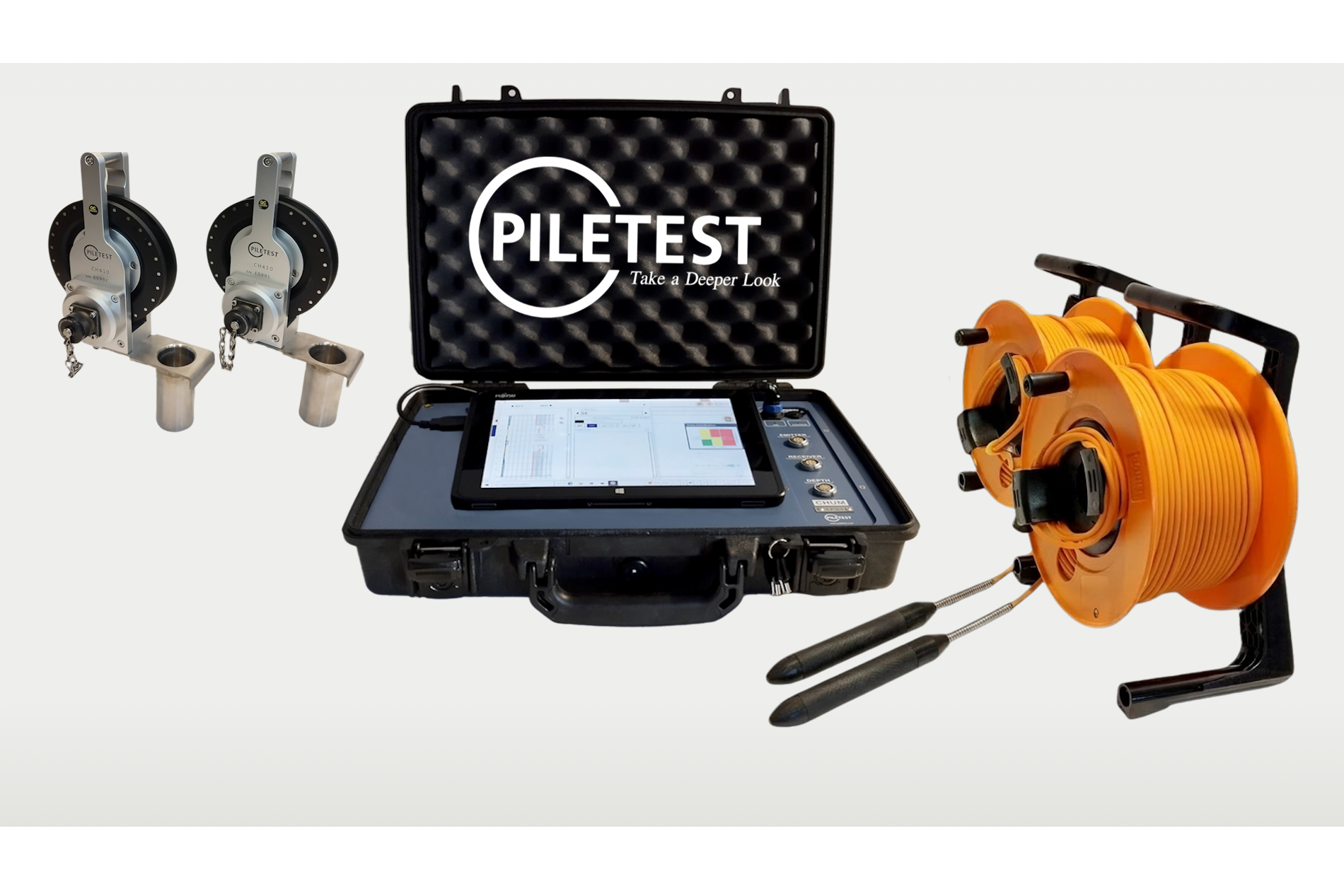
Essential Guide to Crosshole Sonic Logging Equipment
In the ever-evolving field of geotechnical engineering, Crosshole Sonic Logging (CSL) has emerged as a critical technique for assessing the integrity of deep foundations. This guide delves into the essential aspects of CSL equipment, highlighting their importance and providing insights into their effective use.
Understanding Crosshole Sonic Logging
Crosshole Sonic Logging is a non-destructive testing method used to evaluate the quality of concrete within drilled shafts and other deep foundations. By measuring the speed of an ultrasonic pulse between parallel access tubes, professionals can infer concrete integrity and detect anomalies such as voids or cracks.
Key Components of CSL Equipment
- Transmitter and Receiver Probes: These are essential for generating and capturing ultrasonic pulses, providing critical data on concrete integrity.
- Access Tubes: Installed within the concrete before pouring, these tubes allow for the transmission of ultrasonic waves.
- Data Acquisition System: This system records the time it takes for the pulse to travel between the transmitter and receiver, enabling analysis of the concrete’s condition.
Benefits of Using Crosshole Sonic Logging Equipment
CSL equipment offers numerous advantages in assessing the structural integrity of deep foundations, including:
- Accurate Anomaly Detection: Efficient in identifying voids, honeycombing, and low-density areas.
- Non-Destructive Testing: Offers a comprehensive analysis without damaging the structure.
- Detailed Data Collection: Provides in-depth insights into the quality of the concrete within the foundation.
To learn more about the benefits and methodologies involved, discover expert strategies here.
Implementing Crosshole Sonic Logging in Projects
Preparation and Setup
Implementing CSL requires careful planning and setup to ensure accurate results:
- Access Tube Installation: Ensure tubes are installed correctly and securely within the concrete pour.
- Calibration: Regularly calibrate equipment to maintain accuracy and reliability.
- Training: Operators should be trained in both equipment handling and data interpretation.
Data Analysis and Interpretation
Interpreting CSL data is crucial for identifying potential issues within the foundation:
- Velocity Analysis: Compare measured pulse velocities with expected values to identify irregularities.
- Graphical Representation: Utilize graphs and charts for visualizing data and detecting anomalies.
- Report Generation: Create detailed reports to document findings and recommendations.
For more insights into the data analysis process, find out more about this approach.
Choosing the Right CSL Equipment
Factors to Consider
Selecting the appropriate CSL equipment depends on several factors:
- Project Size and Complexity: Larger or more complex projects may require more advanced equipment.
- Budget Constraints: Evaluate costs versus benefits to select equipment that meets financial limits.
- Technical Specifications: Ensure the equipment meets the necessary technical requirements for the project.
For guidance on selecting the right equipment, explore advanced guides and tips.
Maintenance and Support
Regular maintenance and support are crucial for ensuring CSL equipment remains in optimal condition:
- Routine Checks: Conduct regular inspections and maintenance to prevent equipment failures.
- Technical Support: Access expert support to address any technical issues promptly.
- Upgrades: Stay updated with the latest advancements and upgrade equipment as necessary.
To understand more about maintaining CSL equipment, learn about our tailored solutions.
In conclusion, Crosshole Sonic Logging is a powerful tool for ensuring the reliability and safety of deep foundations. By understanding the equipment and its applications, professionals can make informed decisions that enhance structural integrity and project success.