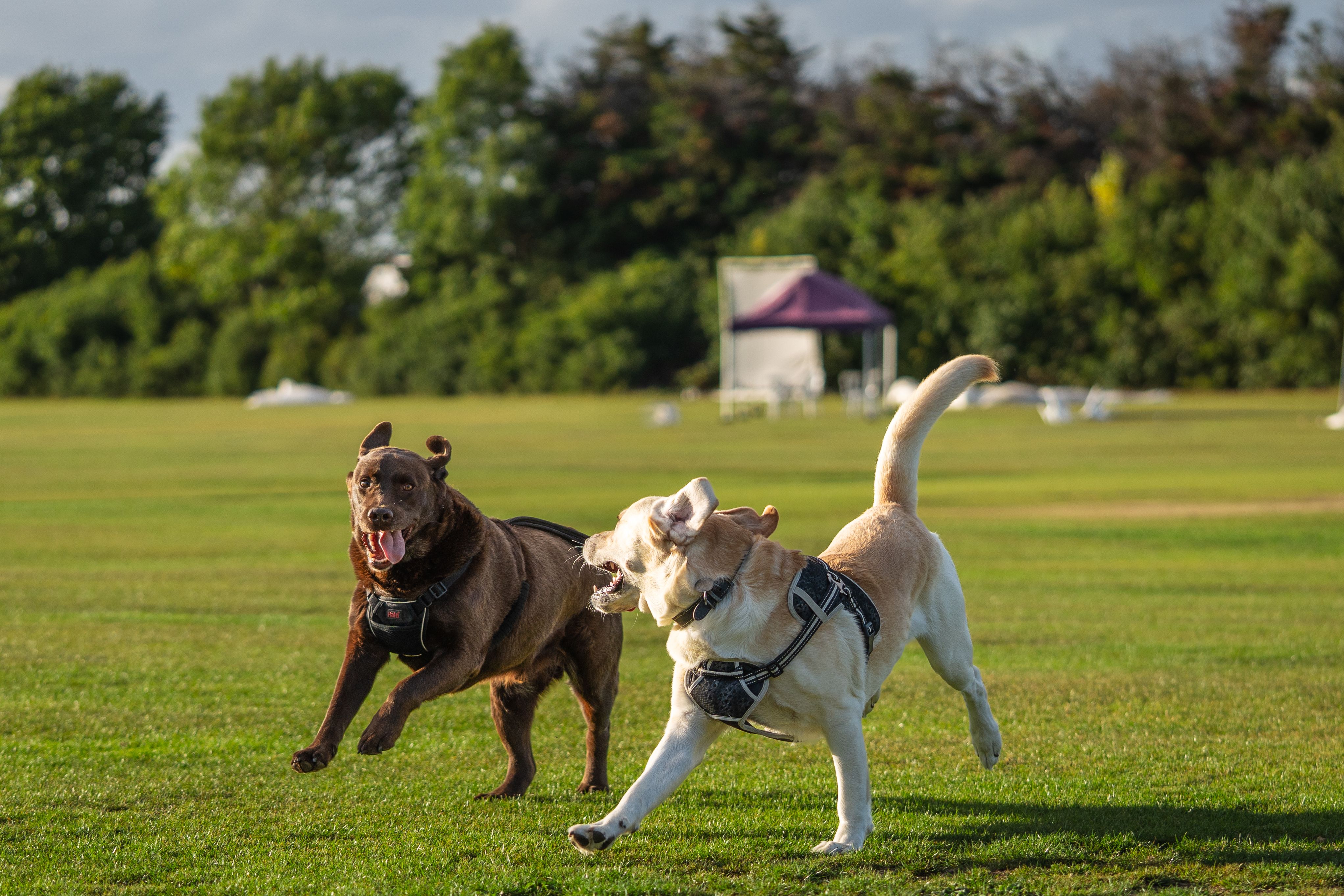
Small-breed dogs thrive on social interaction, yet finding a suitable play environment can be challenging for owners who want to balance safety, stimulation, and convenience. A well-matched play group offers mental enrichment, physical exercise, and an opportunity for dogs to develop proper canine etiquette. This guide outlines the essential considerations for selecting a small dog play group, preparing your pet, and fostering a positive experience for both canine participants and their guardians.
Understanding the Benefits of a Small Dog Play Group
While every dog is unique, small breeds share common needs that are best met through structured group play. Benefits include:
- Improved social skills and reduced anxiety around other dogs.
- Enhanced physical fitness without the strain of high-impact activities.
- Opportunities for mental challenges that curb destructive behaviors at home.
- Regular exposure to varied environments, which builds confidence.
For a deeper look at how these advantages translate into everyday life, Read more about this topic.
Key Criteria for Selecting the Right Play Group
Size Compatibility
The primary factor is ensuring that the group consists predominantly of small-to-medium dogs (generally under 25 pounds). This minimizes the risk of accidental injuries caused by size mismatches.
Location and Schedule
Choose a venue that is convenient to your routine and offers consistent class times. Regular scheduling helps your dog anticipate sessions and maintain a stable routine.
Supervision and Structure
Effective play groups are led by experienced facilitators who monitor interactions, intervene when necessary, and guide activities to keep them constructive.
To explore guidelines for evaluating supervision quality, Learn more in this detailed guide.
Health and Safety Policies
Verify that the facility enforces up-to-date vaccination requirements, provides clean water, and maintains a safe, non-slippery surface. These measures protect all participants from common health concerns.
Preparing Your Small Dog for Group Play
Proper preparation sets the stage for a positive experience. Follow these steps:
- Vaccinations: Ensure all core vaccines are current and obtain a health certificate if required.
- Socialization: Gradually introduce your dog to other dogs in controlled settings before joining a larger group.
- Basic Commands: Reinforce recall, sit, and stay to help your dog respond to facilitator cues.
- Gear Check: Use a well-fitting harness or collar, and bring a leash for drop-off and pick-up periods.
For additional preparation tips, Explore further insights here.
What to Expect During a Session
A typical small dog play group session follows a predictable structure that balances free play with guided activities:
- Welcome & Check-In: Dogs are greeted, health checks are confirmed, and owners receive brief updates.
- Warm-Up Exercises: Light obedience drills help focus attention and reduce initial excitement.
- Free Play: Dogs interact in a supervised area, allowing natural social behaviors to emerge.
- Skill Games: Facilitators introduce puzzles or agility elements tailored to small breeds.
- Cool-Down & Review: A short walk or stretch period concludes the session, followed by owner feedback.
Understanding this flow can reduce anxiety for both dog and owner. For a more detailed breakdown, Find additional information here.
Maintaining a Positive Play Environment
The longevity of a successful play group depends on ongoing cooperation between participants and facilitators. Consider these best practices:
- Communicate any changes in your dog’s health or behavior promptly.
- Respect the group’s size limits to avoid overcrowding.
- Encourage calm exits if your dog shows signs of overstimulation.
- Participate in occasional feedback surveys to help improve the program.
Conclusion
Selecting the perfect small dog play group involves evaluating size compatibility, location, supervision, and health policies, while also preparing your dog for a structured yet enjoyable experience. By following the criteria outlined above and staying engaged with the group’s guidelines, owners can provide their small-breed companions with the social enrichment they need to lead happy, balanced lives. For ongoing resources and further reading, Read more about this topic.