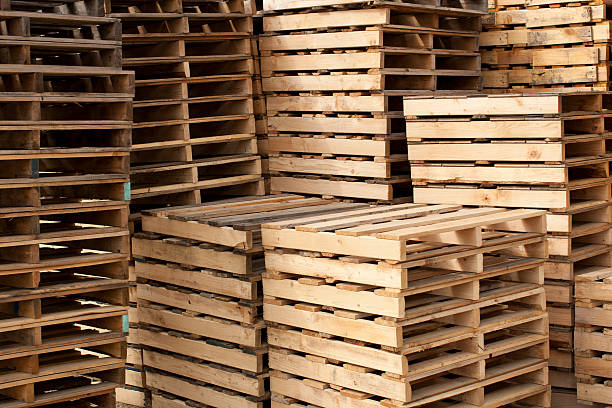
In a world increasingly focused on sustainability, the choice of materials in logistics and transport is pivotal. One such choice is the use of wooden pallets, which have gained recognition for their eco-friendly attributes. As businesses strive to reduce their environmental footprint, understanding the environmental benefits of wooden pallets becomes essential. This article delves into the sustainable solutions offered by wooden pallets and highlights their eco-friendly nature.
Renewable Resources
Wooden pallets are primarily made from timber, a renewable resource. The use of sustainably sourced wood ensures that forests are preserved and managed responsibly. This sustainable sourcing supports:
- Reduction in deforestation rates
- Preservation of biodiversity
- Promotion of responsible forestry practices
The emphasis on renewable resources aligns with global efforts to combat climate change and promote environmental stewardship.
Biodegradability and Recycling
Wooden pallets offer significant advantages in terms of biodegradability and recycling. Unlike their plastic counterparts, wooden pallets naturally decompose, minimizing their impact on landfills. The recycling process includes:
- Reusing wood for repairs and other products
- Chipping for mulch or biofuel
- Transforming into wood-based products such as particleboard
The ability to recycle and repurpose wooden pallets not only reduces waste but also supports a circular economy. This makes wooden pallets a sustainable choice for wooden pallets logistics.
Carbon Footprint Reduction
Wooden pallets play a crucial role in reducing carbon emissions. Trees absorb carbon dioxide during their growth, and when harvested and used for pallets, the carbon remains stored in the wood. Key points on carbon footprint reduction include:
- Sequestration of carbon during the lifecycle of the wood
- Reduced energy consumption in production compared to alternatives
- Support for carbon offset initiatives through sustainable forestry
By opting for wooden pallets, businesses contribute to a lower carbon footprint, aligning with global sustainability goals.
Durability and Longevity
The durability and longevity of wooden pallets contribute significantly to their eco-friendly reputation. With proper maintenance, these pallets can have an extended lifespan, reducing the need for frequent replacements. Benefits of durable wooden pallets include:
- Lower material consumption over time
- Cost-effectiveness through extended use
- Decreased demand for new resources
The robust nature of wooden pallets makes them a practical choice for industries prioritizing sustainability.
Supporting Local Economies
Utilizing wooden pallets also supports local economies, particularly in regions where forestry and woodworking are crucial industries. The benefits to local economies include:
- Job creation in forestry and manufacturing sectors
- Support for local supply chains
- Contribution to the economic stability of rural communities
By choosing wooden pallets, businesses not only enhance their sustainability practices but also contribute to the economic well-being of local communities.
Conclusion
As the demand for sustainable solutions grows, wooden pallets stand out as a viable and eco-friendly option. Their use of renewable resources, biodegradability, and contribution to carbon footprint reduction highlight their environmental advantages. By embracing wooden pallets in logistics and transport, industries can make meaningful strides toward sustainability while supporting local economies and reducing their ecological impact.